From kraft paper to coated boards, the material you pick shapes how your product reaches your customers. Cost, sustainability, structural protection: every choice is a trade-off, and there's rarely a single right answer.
Choosing packaging material is one of those decisions that look simple on paper, but become surprisingly complex once you actually start ordering. After ten years of helping food brands across catering, retail and e-commerce, here's the framework we use with our clients.
Start with the product, not the packaging
Before talking about kraft, coated, or compostable, ask yourself: what does this packaging actually need to do? A pizza box and a coffee bean bag have wildly different requirements:
- Pizza boxes need rigidity and heat resistance, but no airtight seal.
- Coffee bags need an oxygen and aroma barrier, plus a one-way valve for freshness.
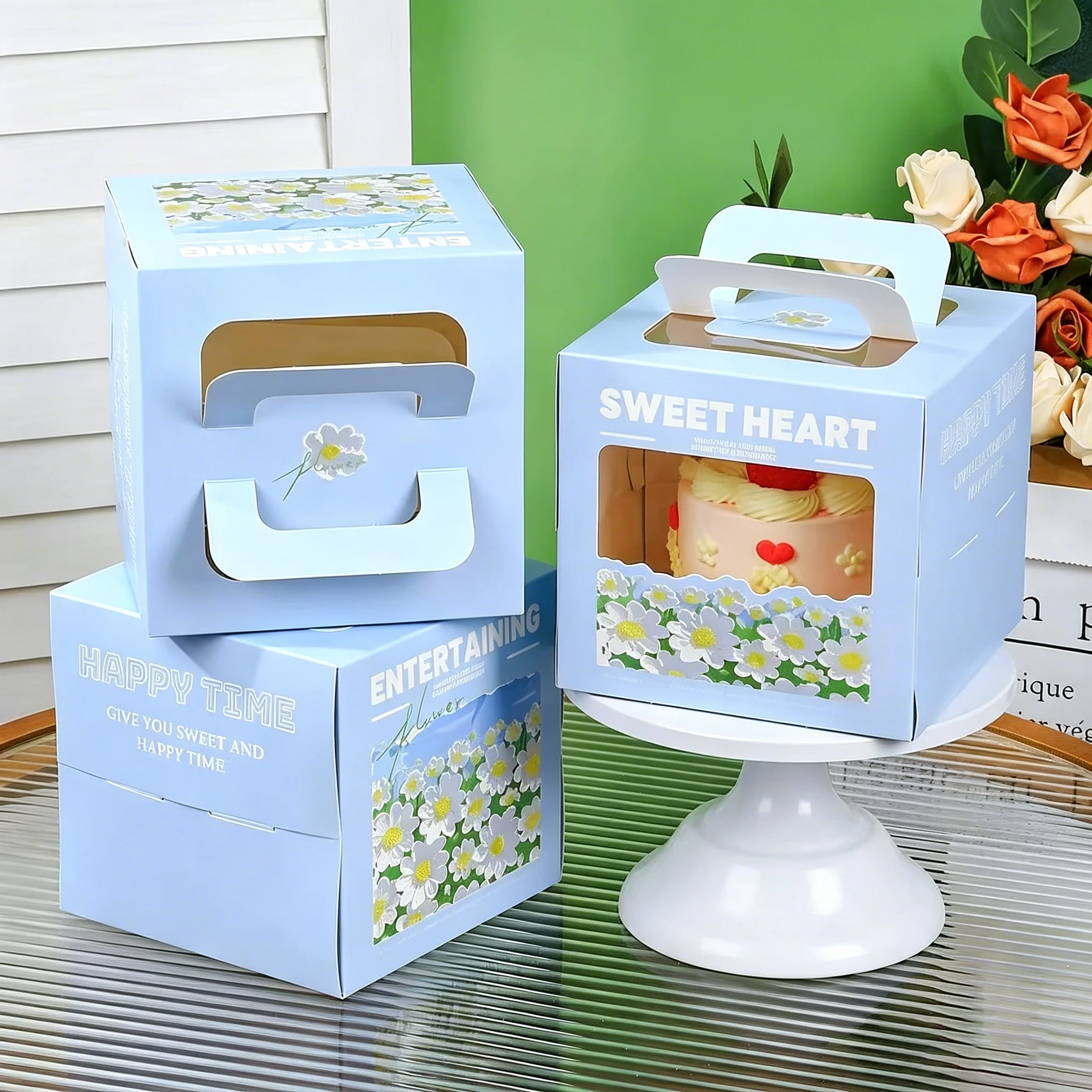
- Cake boxes need rigidity to prevent collapse and often a window for visibility.
Once you've listed the actual constraints, choosing a material becomes a matter of picking the most cost-effective option that meets them.
The three material families to know
1. Paper-based (kraft, white card, corrugated)
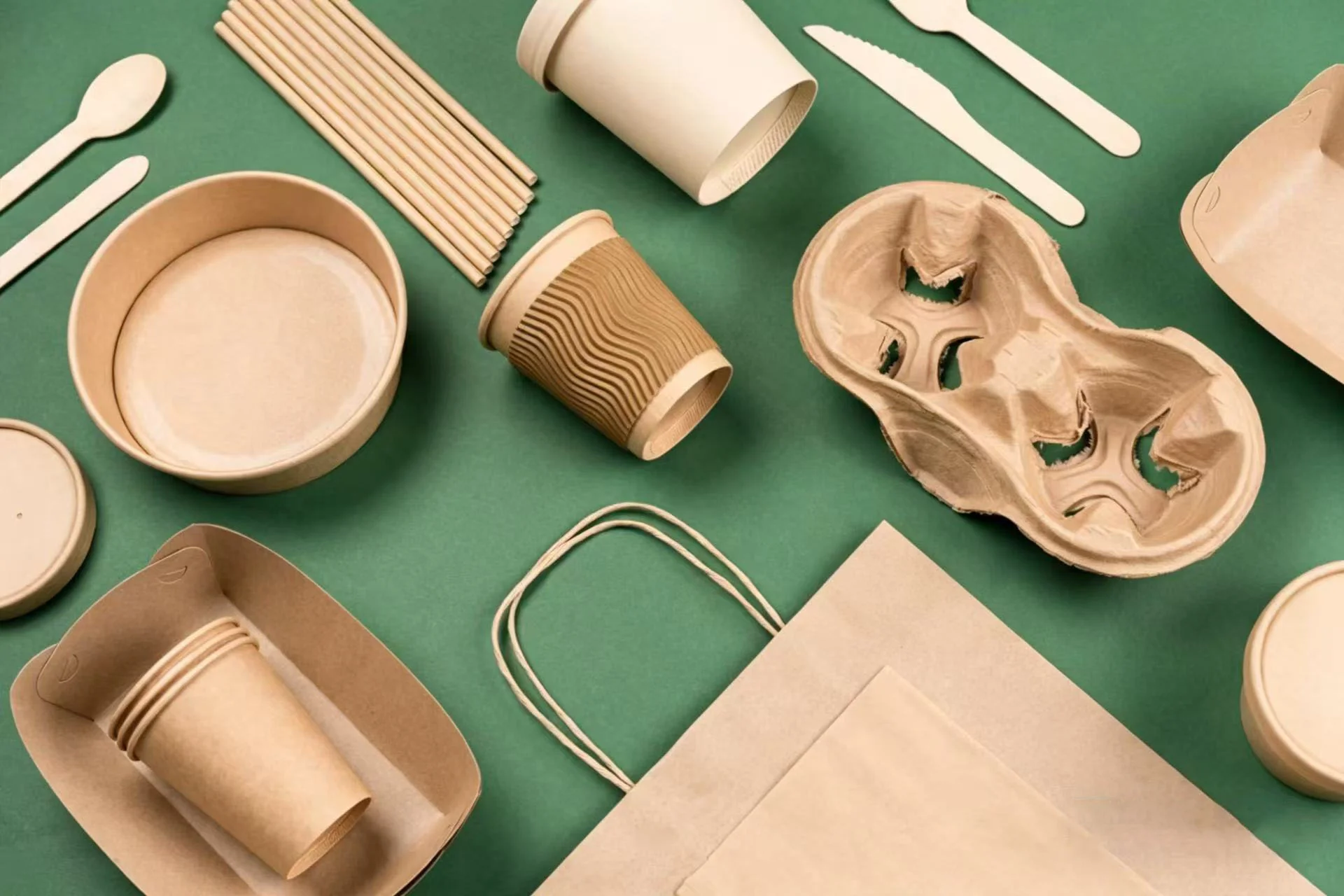
Versatile, recyclable, and generally the cheapest option for most food applications. Kraft is unbleached and gives that natural, artisanal feel. White card prints brighter colors. Corrugated is for shipping or carrying weight.
2. Coated and laminated boards
Same paper base, but with a thin coating (PE, PLA, or aluminum) for moisture, oil, or oxygen barrier. Necessary for hot drinks, oily foods, or anything that needs sealing.
3. Plastic and bioplastic
For products that need transparency (clear cups, salad containers) or extreme barriers (vacuum-sealed coffee). Modern bioplastics like PLA are an option if sustainability is non-negotiable, but cost more.
"The best material isn't the trendiest. It's the one that protects your product reliably, fits your price point, and tells your brand story."
Don't forget the printing surface
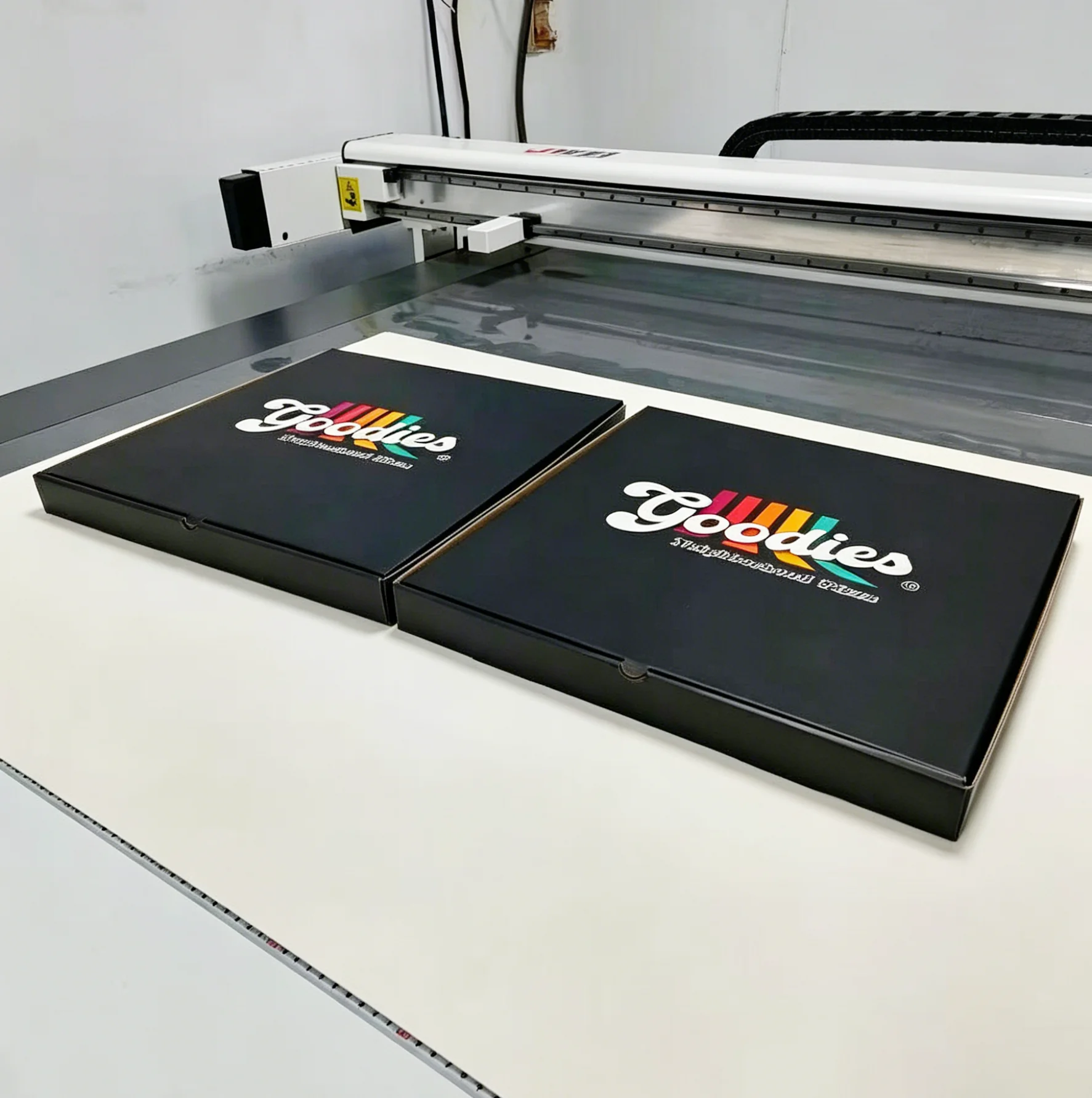
Materials behave differently with ink. A glossy coated board takes vivid CMYK printing perfectly. A rough kraft surface absorbs ink and gives a softer, vintage look (great for artisan brands). Test your design on the actual material before bulk ordering.
A practical checklist before you order
- List physical constraints (heat, moisture, weight, fragility)
- Decide your sustainability priority (recyclable, compostable, virgin material OK?)
- Set your unit cost target
- Choose 2-3 material options that fit, then ask for samples
- Test the samples with your actual product before committing
If you're not sure where to start, that's exactly why we offer free samples and design consultation. Tell us what you're packaging and what matters most to you, and we'll send you 2-3 material options to compare in your hands.